Unattended Death Cleanup
Decomposition cleanup and odor control are needed after a death goes unnoticed for several days.
See unattended death cleanupGet decomposition fluids, affected flooring, furnishings and odor treated with care in Mann. Source removal comes first because air treatment alone cannot correct absorbed contamination.
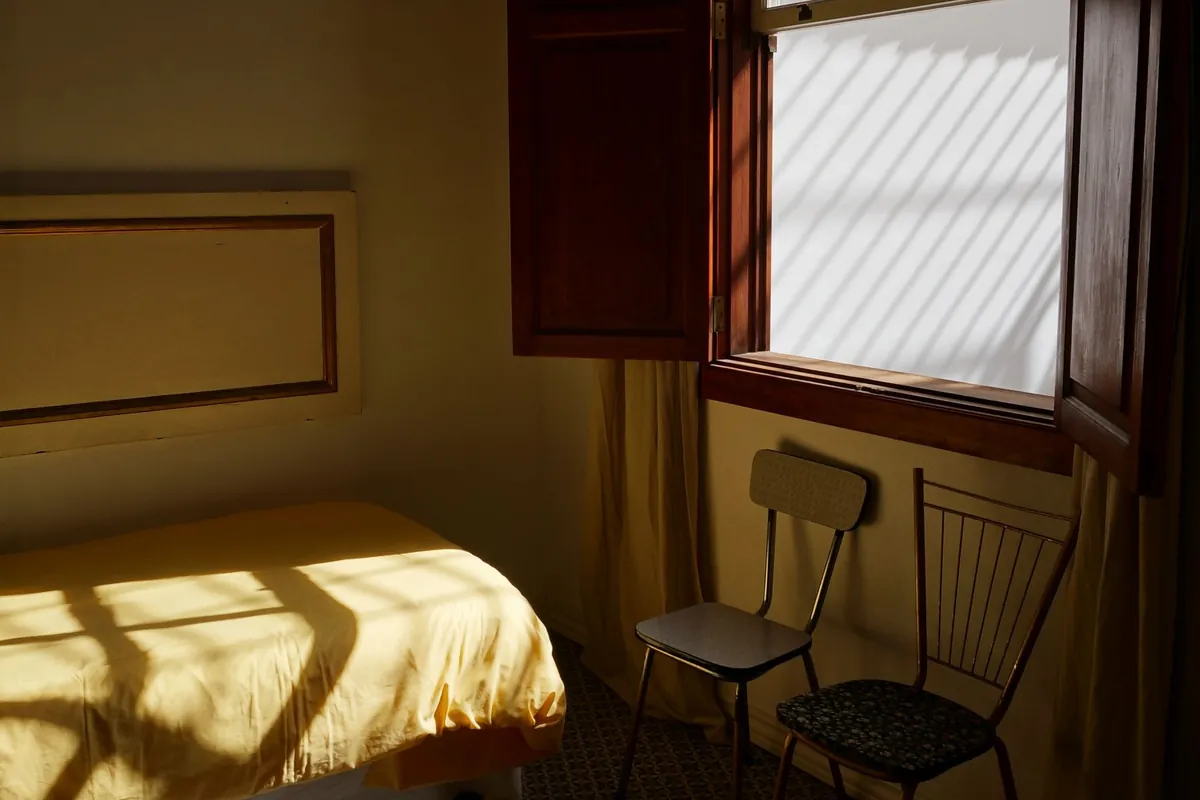
Decomposition cleanup carefully takes away residue, fluids and affected porous materials following a death. Remaining odor is then treated after the area has been cleaned and disinfected.
An unattended death may require this work when time before discovery lets fluids enter furniture, flooring or underlying parts of the structure. The medical examiner or coroner, emergency personnel and police must finish first. You or another responsible person can arrange cleanup only when the property has been released.
In practice, decomposition cleanup involves work beyond a stain on the surface. A fluid path can extend beneath baseboards, into subfloor, along seams of sheet flooring and through carpet or its pad. Careful assessment maps that reach. Cleanable materials are kept whenever possible. Items that cannot be fully treated must be taken out, securely sealed and managed according to the waste rules that apply.
Calls are answered day and night, and crews arrive in unmarked vehicles to protect your privacy during a sensitive time.
When they are safe to sort, loved ones' photographs, documents and mementos are placed aside for your decisions.
Cleanup crews explain which materials can stay, which need removal and why each step belongs in the scope before work begins.
Photos and waste records, together with an itemized scope, give insurance companies useful detail. They tell restoration services what was left behind and help you move forward.
When a death leaves odor or fluids in materials that routine household cleaning cannot reach, decomposition cleaning services are needed. Each case differs, with common needs such as:
Flooring openings can carry fluid beneath wood, laminate, vinyl or tile and into glue or subflooring.
The emergency response and all official work must finish before cleanup starts in every situation. Fluids may penetrate flooring, bedding and surrounding furnishings if discovery does not happen soon.
A cleared room may still smell when affected material remains under flooring, behind molding or somewhere else out of view.
A bed, carpet or solid floor can show contamination or odor while affected material remains below.
Start by keeping yourself and surrounding areas safe, and preserve clear records before anyone enters or disturbs the room. The following actions can make assessment easier as well:
Call (888) 440-9227Decomposition cleanup has no published range of its own, so unattended death cleanup serves as the reference. It lists $1,500 to $5,000 when discovery is early, then $8,000 to $18,000 at one to two weeks, then $15,000 to $35,000 once three weeks or more have passed. These are comparison figures. Your price follows what the assessment finds.
These national ranges are taken from published cost guides, rather than a property visit. The price for your property is set after the on-site assessment, and you hear it before work starts.
Ask about cost: (888) 440-9227Decomposition cleanup may qualify for coverage under renters, commercial property or homeowners insurance if the death is a covered loss. The insurance company decides by applying the policy terms, deductible and circumstances.
Homeowners or renters insurance, the estate or the property owner usually pays for this kind of cleanup. The Alabama crime victim compensation program helps only when a crime caused the loss.
Before taking out damaged material, ask the adjuster what is required if the area can safely wait. Photos, an itemized scope and disposal records can support the claim decision.
Call the claims number after you learn about the loss. Ask whether cleanup, damaged building materials, personal property and later restoration fall under separate parts of the policy.
Property owners commonly coordinate cleanup for rentals, but the circumstances and applicable policies determine which party or insurer ultimately pays.
The entire process follows a controlled order so hidden impact is found before cleaning and odor treatment begin. Cleanup technicians consider your property, belongings and privacy at every step.
An inspection covers the impacted room, adjacent spaces and the area underneath. Flooring type, wall edges, furniture and air movement help define the work area.
Clean areas remain isolated from the active work space. Technicians wear personal protective equipment, while site conditions determine whether airflow controls are also needed.
Workers collect residue they can see, then carefully uncover absorbent materials to verify how deep and where contamination traveled.
When treatment cannot reach contamination where it sits, affected carpet, padding, upholstery, raw wood, drywall or subfloor is taken out.
Remaining hard surfaces are cleaned before an EPA-registered disinfectant is applied for the full contact time stated on its label.
Air and surfaces left in place are treated following source removal. Equipment is selected for the room and used under its operating directions.
Affected waste is secured in appropriate closed containers, then made ready for compliant transport and disposal based on location.
For the property owner, insurer, restoration contractor or you, the final scope may be compiled with project photos and disposal records.
Call any hour. Your decomposition cleanup specialist answers the phone, describes what happens next and works with you on a start time.
Avoid cleaning or entering any area where decomposition fluids are present. Unseen contamination can pose a serious health risk and could require parts of the building to be taken out.
Pathogens may be present in blood and bodily fluids. The CDC says hepatitis B can survive on surfaces for at least seven days, so dried residue still deserves careful treatment.
Movement of fluid may extend into furnishings, carpet, flooring joints and spaces at baseboards. Cleaning only the visible surface can leave affected material underneath.
Never place contaminated materials with ordinary household garbage. Depending on their contents and the rules that apply, they may need to be packaged and managed as hazardous materials.
Can you clean it yourself? Cleaning after decomposition differs greatly from addressing an ordinary minor spill at home. When fluid, residue or ongoing odor remains after a death, close off the area and arrange a professional assessment. Leave an affected mattress and carpet in place, and do not test the fluid depth with bare hands.
Affected materials may remain if every impacted surface can be reached, cleaned and disinfected. Removal is generally needed when contamination has soaked in deeply.
Decomposition cleanup may last from one day for a small accessible area to several days where fluids reached walls, floors, furnishings or rooms underneath. The full affected boundary must be assessed before timing can be determined accurately.
| Scene | Typical time on site |
|---|---|
| Limited area on accessible materials | Often about one day after assessment |
| One room with porous material removal | Frequently takes one to three working days |
| Structural impact or multiple affected areas | May require several days plus later restoration |
Decomposition odor removal starts with finding and removing the source. Fragrance, paint and surface sprays cannot correct fluid beneath flooring, inside unfinished wood or within upholstered furniture. If odor returns after airing out the room, another affected material or pathway may still need attention.
Cleaning and disinfection take place after contaminated material has been removed. Depending on the space, controlled ventilation, HEPA-filtered air equipment or other odor equipment may follow under its operating instructions. When odor has spread, checks may extend to wall gaps, HVAC returns and adjoining rooms. Cleanup and odor treatment must finish before rebuilding begins.
The full decomposition cleanup guide covers what is cleaned or removed, odor and air quality work, and the rules that apply in Alabama and Mobile County.
Read the full decomposition cleanup guideContainment, entry and cleanup plans can be influenced by local housing, population and access details.
A listed distance of 7.6 miles to Mobile Infirmary Medical Center gives a practical medical reference when someone has contacted blood or waste.
Nearby places include Lansdowne, Lloyds, and Canterbury Heights, so share the full street address and any building or unit number when you call.
As a Mobile neighborhood, Mann may include several building styles, so cleanup planning should start with the exact property type.
Your phone conversation can include questions about service in nearby ZIP codes and communities.
Decomposition cleanup and odor control are needed after a death goes unnoticed for several days.
See unattended death cleanup
Cleaning a home after someone dies, including fluids, odor and affected belongings.
See death cleanup
Care for the family's home guides cleanup when a death has been found quickly.
See attended death cleanup
Air scrubbers, hydroxyl and ozone treatment support death odor removal at its source.
See death odor removal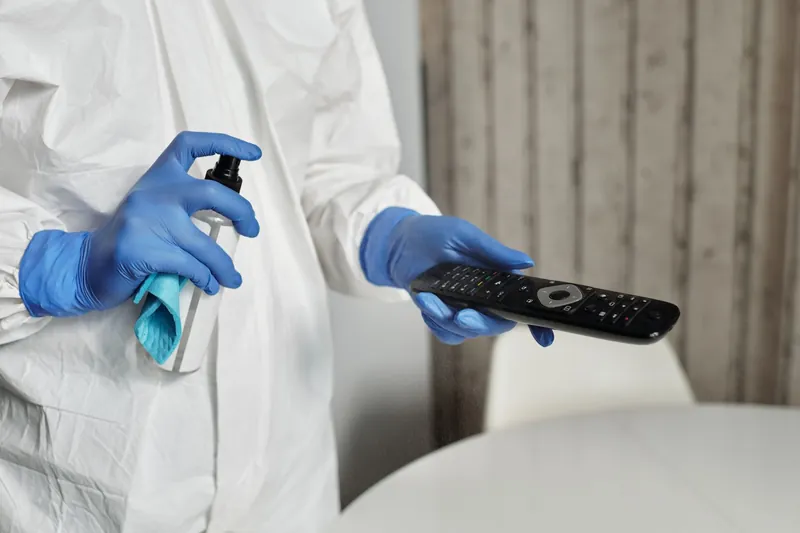
Biological remediation removes contamination so the space can be safely used again.
See biohazard remediation
Investigation residue, tissue and fingerprint powder are addressed along with forensic cleaning of blood.
See forensic cleaning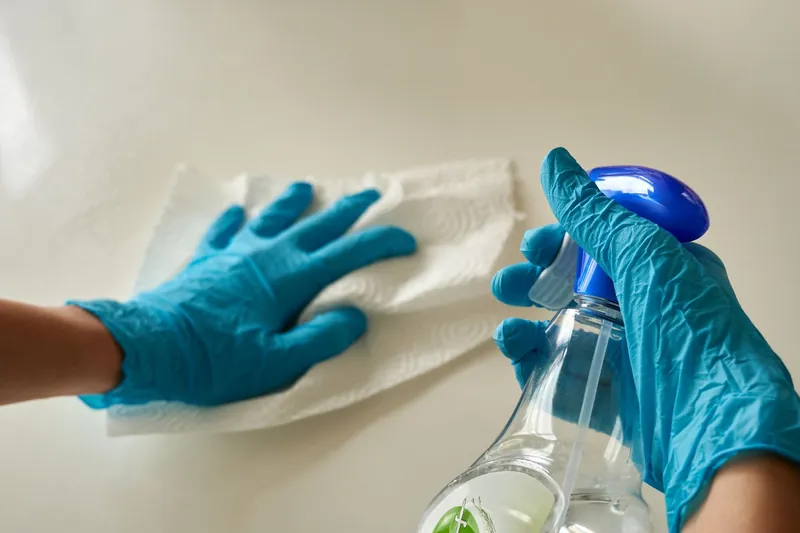
Blood cleanup on carpet, hard floors, walls and furniture with safe disposal.
See blood cleanup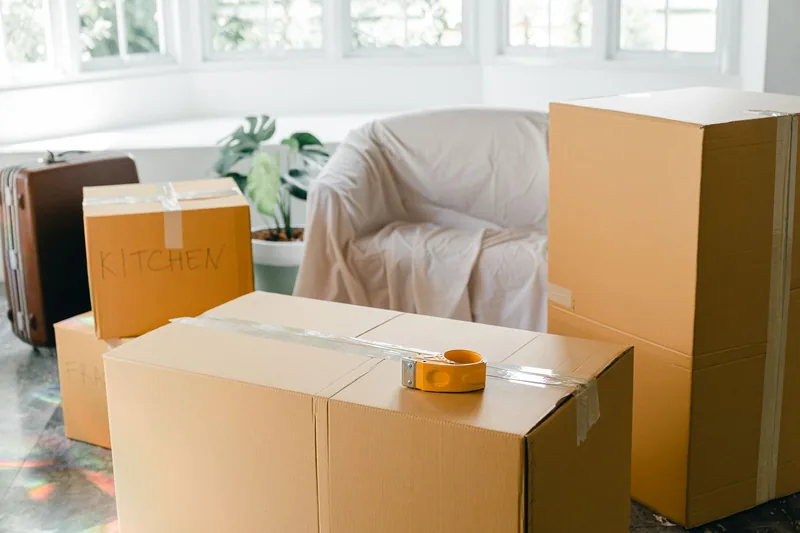
Following a death, estate cleanout includes sorting possessions and removing them safely.
See estate cleanout after a deathOdor alone does not show the type or amount of exposure, but a room with decomposition odor may also contain fluids and affected porous materials. Do not use smell as a safety test. Prevent access by people or animals, leave the space undisturbed and have the source and nearby materials evaluated.
The floor can sometimes stay when all source material is reachable and fluid did not penetrate beyond a non-porous finish. Contamination may soak into carpet, padding, raw wood and certain floor joints. Air treatment may not work until an affected section under the finished surface is taken out.
No published guide gives a separate price range for decomposition cleanup. Guides for unattended death cleanup show $1,500 to $5,000 when discovery is early, with far higher ranges after more time. The real scope and price reflect affected spaces, fluid penetration, removed material, waste disposal and odor work.
If the policy treats the death as a covered loss, homeowners coverage may include cleanup plus material damage. Your coverage is not automatic. Call the insurer, describe the event and ask about biohazard remediation, personal property, structural repairs and the deductible. Store photos, the project scope, disposal records and your claim number together.
Assessment of each item considers its location, composition and condition. Unaffected items can be protected outside the work zone. You can make decisions about personal papers, photos and treasured items that are safe to sort and set apart. Fluid-soaked porous belongings might require removal since cleaning the exterior cannot treat internal contamination.
Cleanup after decomposition takes out bodily fluids, residue and absorbent materials impacted by the death. The remaining accessible surfaces are cleaned and disinfected, then odor is treated after its source is gone. The scope may cover carpet, pad, subfloor, drywall, furniture and surrounding possessions based on the path of fluid travel.
You can request respectful, discreet decomposition cleanup 24 hours a day, and crews use unmarked vehicles.